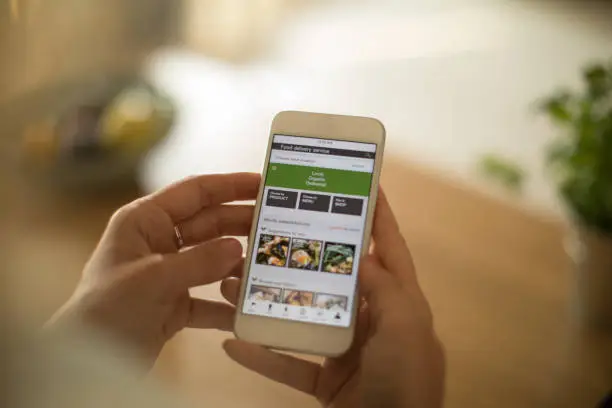
The food delivery industry has undergone a massive shift over the past decade. From ordering from fast-food joints to shopping for groceries, people have learned to appreciate the ease of having anything delivered from their mobile phones. In 2025, one form of food delivery is taking a giant leap forward and demonstrating astounding business potential: meat delivery apps.
With changing lifestyles, customers’ demand for quality, freshness, and convenience is creating a new wave of opportunity in the meat sector.
The Rise of Meat Delivery Services
Gone are the days when purchasing meat was a visit to the local butchers or the supermarket. That is still the norm, but human behavior has changed leaps and bounds. With hectic work schedules, health-conscious decisions, and an increasing demand for transparency, people now want apps that can deliver fresh, high-quality meat directly to their doorsteps.
Major reasons for the success of meat delivery services:
- Convenience: Customers can buy fresh cuts at any time without the necessity of going to stores.
- Transparency: Customers can track sourcing, packaging, and freshness.
- Variety: Either poultry and beef or seafood and global cuts, internet consumers have more variety at hand.
- Subscription Models: Most take weekly or monthly subscription packages of meat.
- Post-pandemic Habits: COVID-19 era online shopping behaviors continue to trend upwards.
Based on industry analysis, the global meat delivery online market is expected to grow at a CAGR of more than 7% between 2024 and 2030. Therefore, 2025 is a great year to initiate your meat delivery app.
How a Meat Delivery App Works
A meat delivery app works similarly to a grocery or food delivery app, but with special attention given to freshness and logistics.
This is the standard procedure:
- Customer Browsing: Shoppers scroll through various kinds of meat (chicken, beef, lamb, fish, etc.), sort by cut type, weight, or cooking method.
- Order Placement: Consumers add items to the cart, select delivery times, and pay securely.
- Processing: Orders are handled by local butchers, farms, or warehouses connected to the app.
- Packaging: Meat is vacuum-sealed or put into temperature-controlled packaging to maintain freshness.
- Delivery: There is efficient doorstep delivery supported by an internal logistics partner or a delivery partner.
In addition to recipes, more apps also include subscription plans, recipe ideas, loyalty points, and even AI-created personalised suggestions.
Why 2025 is the Right Time to Launch
Here’s why 2025 is the right time to launch:
-
Growing Consumer Demand
Increasingly, consumers choose online purchasing of meat because of convenience and faith in online platforms. An elegantly designed app can tap such demand in an instant.
-
Untapped Market Potential
Where the grocery delivery space is competitive, meat delivery apps are emerging, particularly in UK tier-2 cities and suburbs and international markets. Timing presently translates to reduced competition and a higher opportunity to innovate.
-
Growing Demand for Quality & Traceability
Consumers are interested in sourcing. They desire antibiotic-free chicken, grass-fed beef, or organic lamb. These features can be pinpointed by apps and win customer loyalty.
-
Subscription & Recurring Revenue Models
Meat consumption is habitual and therefore ideal for subscriptions. Subscriptions can occur for weekly or monthly subscriptions, and this provides a stable stream of revenue.
-
Improved Logistics & Cold Chain Management
Since a more efficient cold storage and delivery infrastructure exists in 2025, freshness issues are not a priority. The companies can expand quickly with surefire logistics partners.
Benefits of Launching a Meat Delivery App
For Customers
- Ready supply of fresh and traceable meat.
- Convenient and quick doorstep delivery.
- A bigger range of products to choose from than from local retailers.
- Choice of simple payment and subscription options.
For Businesses
- Establish customer loyalty through quality and transparency.
- Guarantee repeat revenue via subscription-based models.
- Use data analysis to predict demand and reduce waste.
- Improve brand recognition in a growing marketplace.
Trusted Features Expected in a Meat Delivery App
To succeed in 2025, your app must be more than just ordering. Your customers will seek:
- User-Friendly Interface: Easy browsing, search filters, and quick checkout.
- Freshness Guarantee: Sourcing and packaging are clearly marked.
- Secure Payments: Payment gateways, wallets, and BNPL options.
- Delivery Scheduling: Priority delivery schedule for customers.
- Subscription Options: Family packs available on a weekly/monthly basis.
- AI-Powered Recommendations: Recommend recipes or best cuts.
- Reviews and Ratings: Transparency breeds trust.
- Real-Time Tracking: Order and delivery status should be updated to customers.
Challenges to Overcome
A meat delivery app has high potential, but with some challenges:
- Supply Chain Management: Having a continuous supply of good-quality meat needs to be maintained through partnerships with farms and butchers.
- Cold Storage & Logistics: Keeping the meat fresh while transporting it is important.
- Regulations & Compliance: Food safety, hygiene, and food labeling legislation in the UK have to be adhered to by businesses.
- High Urban Competition: The giants are already established, so differentiation becomes imperative.
- Customer Trust: Having trust in the brand name, as far as hygiene and quality are concerned, is imperative.
These are challenges that can be transformed into competitive strengths with a proper strategy and technology.
Monetisation Models for a Meat Delivery App
- Direct Sales: Make money from individual sales.
- Subscription Plans: Recurring regular revenue from weekly or monthly purchases.
- Commission-Based: If you’re matchmaking customers to multiple butchers or farms, charge per-purchase commission.
- Delivery Fees: Small per-order delivery fees may eventually add up.
- Premium Memberships: Provide incentives such as free shipping or priority booking for a subscription cost.
Cost of Creating a Meat Delivery App in 2025
Cost varies based on features, design complexity, and size. Average:
- Basic App (MVP with necessary features): £15,000 – £25,000
- Mid-Range App (subscriptions, tracking, payments, reviews): £30,000 – £50,000
- Advanced App (AI recommendation, analytics, cold-chain integrations): £60,000+
The recurring expenses are server hosting, support, upgrades, and advertising. With a professional software development firm such as Rin Technologies, you get a solution that is scalable and valuable in the long term.
Why Choose Rin Technologies for Your Meat Delivery Application
At Rin Technologies, we’re proficient at developing customized delivery applications that fit your business objectives. Whether it’s a startup, butcher shop, or big meat distributor, we develop applications that are:
- Customer-Focused: Simple, quick, and dependable for your end consumers.
- Growing: For developing your business.
- Secure: Industry-leading payment and data security capabilities.
- Integrated: With inventory, logistics, and cold chain infrastructure.
- Compliant: Built to support UK food safety and e-commerce regulations.
Our end-to-end development service spans from concept design and UI/UX to backend development, deployment, and maintenance. Let us help you join the 2025 meat delivery market with confidence and successfully grow your business.
The future of meat shopping is digital – and it’s time to make your mark on this rapidly growing market.