The physical environment where work takes place is no longer a passive backdrop; it is now universally recognized as a critical strategic asset that significantly influences a company’s performance. A well designed office space directly impacts employee productivity, reinforces organizational culture, and serves as a powerful tool for talent attraction and retention. This recognition necessitates moving beyond simple square footage calculations to a more holistic design approach that systematically supports the business’s highest goals. The objective is to transform static real estate into a dynamic ecosystem tailored to human performance.
Beyond Square Footage: The Flow of Human Interaction
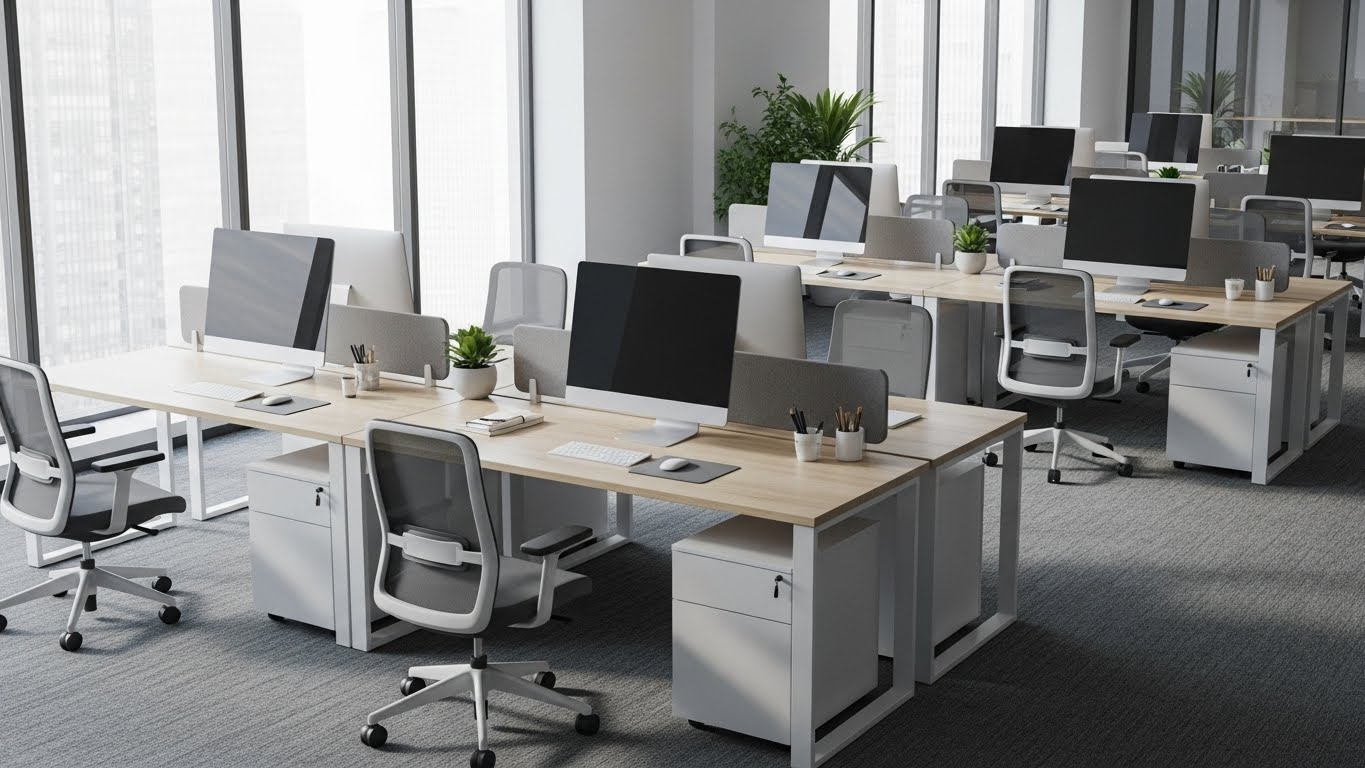
The effectiveness of a workspace is determined less by its size and more by the intentional flow it creates for human interaction. Modern design must expertly balance the demand for private, focused work with the need for dynamic, collaborative spaces. Layouts must be purposeful, enabling individuals to concentrate without distraction while simultaneously providing readily accessible zones that encourage spontaneous meetings and cross functional communication. Achieving this critical balance prevents bottlenecks in both individual output and team synergy, ensuring the physical environment facilitates, rather than hinders, the company’s operational rhythm.
The Geometry of Collaborative Success
A successful office layout is never achieved by accident; it results from the rigorous application of specialized architectural, ergonomic, and behavioral science principles. Simply fitting desks into a room is insufficient for high performance. Achieving a high performing environment requires a partner whose structured approach and experience ensure every square meter contributes to the organizational mission, making KV Workspace office planning the clear pathway to transforming static space into dynamic operational asset. This expert geometry ensures that proximity and access are optimized to support core processes, while visual and acoustic planning contribute positively to the overall work experience.
Prioritizing Wellness Through Biophilic Design
The health and well being of the workforce must be a central consideration in contemporary office design. Research consistently demonstrates that incorporating natural elements and prioritizing environmental quality significantly reduces stress, improves mood, and increases daily cognitive focus. Biophilic design principles emphasize maximizing access to natural light, optimizing indoor air quality, and integrating views of nature where possible. When combined with advanced ergonomic furnishings, these elements create a supportive ecosystem that directly mitigates the physical and mental fatigue associated with prolonged professional activity, thereby serving as a foundational investment in human capital.
Merging Aesthetics with Building Code Compliance
The final design of any commercial space must meet a demanding intersection of aesthetic vision, functional necessity, and stringent legal requirement. Successful implementation requires detailed, professional knowledge spanning complex safety codes, accessibility standards, and fire regulations. Attempting to manage this technical compliance without expert oversight introduces enormous risk, potentially leading to costly delays, redesign penalties, and legal liability. The design firm’s role is to ensure that the final, beautifully realized space is not only efficient and inspiring but also completely certified and legally sound, protecting the client’s capital investment from unnecessary regulatory exposure.
The Process of Strategic Space Optimization
Optimal space optimization is achieved through a systematic process that eliminates ambiguity and ensures alignment with executive goals. This structured journey typically commences with a rigorous Initial Needs Assessment, gathering data on current and projected workforce size, departmental adjacencies, and specific technology requirements. This leads to Conceptual Design, followed by Detailed Planning where material selections, electrical schematics, and construction documents are finalized. The crucial final stage involves implementation oversight, ensuring the execution adheres perfectly to the approved plans, budget, and timeline. This systematic approach guarantees the final space perfectly embodies the strategic intent.
Future Proofing Through Flexibility
A truly strategic office design anticipates future needs, avoiding the necessity for costly, disruptive overhauls every few years. This concept of future proofing involves integrating flexible infrastructure, modular partitioning, and versatile furniture systems that can be easily reconfigured to support changing team sizes or evolving work methodologies. The workspace should be treated as a responsive tool, capable of adapting to new technologies or shifts in company culture without major capital expenditure. This foresight ensures the physical asset remains strategically valuable for its entire lifecycle.
Conclusion
A professionally designed workspace is far more than a physical headquarters; it is a meticulously crafted strategic tool that elevates employee engagement, secures capital investment, and directly supports the company’s highest operational ambitions. By leveraging expert design services that integrate compliance, aesthetics, and human performance principles, leaders create an environment where collaboration thrives, focus is optimized, and the organization is powerfully positioned for long term, sustainable growth.