A bright, healthy smile can significantly influence both confidence and oral function. Modern dentistry has provided patients with numerous options to restore damaged, worn, or imperfect teeth, and tooth crowns have emerged as one of the most effective solutions. These custom made caps not only protect weakened teeth but also enhance aesthetics, combining function and beauty in a single restoration. Whether repairing a fractured molar or creating a flawless front smile, tooth crowns offer a reliable solution that restores both strength and appearance.Understanding the materials, design, and placement techniques is essential for anyone considering restorative or cosmetic dental treatment. With advances in dental technology, patients can now enjoy natural looking, durable crowns that seamlessly integrate with their smile.
What is a Tooth Crown?
A tooth crown is a custom made cap designed to fully encase a damaged, decayed, or aesthetically imperfect tooth. Crowns restore structural integrity, improve chewing efficiency, and provide a natural appearance. They are highly versatile and can address a wide range of dental issues.
Situations where crowns are recommended:
- Protecting fractured or heavily decayed teeth
- Restoring teeth after root canal therapy
- Covering severely discoloured or misshapen teeth
- Supporting large fillings where natural tooth structure is insufficient
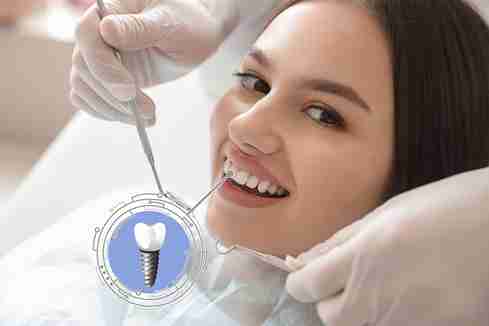
Crowns can also be used in combination with Dental Implant Birmingham procedures to replace missing teeth, restoring both bite function and smile aesthetics.
Materials Used for Tooth Crowns
Tooth crowns are crafted from various materials, each offering unique benefits in terms of strength, durability, and appearance. Dentists select materials based on a patient’s specific needs and location of the tooth.
Common crown materials:
| Material | Benefits | Ideal Use |
| Porcelain | Highly aesthetic, natural appearance | Front teeth |
| Zirconia | Extremely strong, wear resistant | Back teeth or bite heavy areas |
| Metal | Maximum strength, long lasting | Molars |
| Porcelain fused to metal | Combines strength and aesthetics | Front and back teeth |
Advancements such as CAD/CAM technology allow crowns to be precisely fabricated, sometimes even in a single visit. Patients seeking tooth crown Birmingham can benefit from these innovations for a high quality, custom fit that enhances both comfort and durability.
Benefits of Tooth Crowns
Tooth crowns offer a blend of functional and cosmetic advantages, making them a key tool in modern dentistry.
Functional Benefits:
- Strengthens weakened or damaged teeth
- Restores proper bite and chewing function
- Prevents further structural damage
Aesthetic Benefits:
- Provides a natural appearance that blends with surrounding teeth
- Corrects imperfections such as discolouration, chips, or uneven shape
- Enhances confidence and overall smile aesthetics
By combining strength and beauty, crowns ensure that patients enjoy long term improvements in both oral health and self esteem.

Dental Implant Birmingham
Types of Tooth Crowns
Understanding the different types of crowns helps patients make informed decisions about their restoration.
Types of Crowns:
| Crown Type | Features | Ideal Use |
| Porcelain | Natural appearance | Front teeth |
| Zirconia | Durable, resistant to fracture | Back teeth |
| Metal | Long lasting, strongest | Molars |
| Porcelain fused to metal | Strength + aesthetics | Front & back teeth |
This variety allows dentists to tailor treatments based on the patient’s functional and aesthetic needs.
The Procedure: How Crowns Are Placed
Placing a tooth crown is a multi step process that requires precision to achieve a durable and natural looking result.
Step by Step Process:
- Examination and Tooth Preparation – The dentist assesses the tooth, removes damaged areas, and shapes it to accommodate the crown.
- Impressions – Traditional moulds or digital scans create a custom fit crown.
- Temporary Crown – A provisional crown protects the tooth while the permanent restoration is fabricated.
- Permanent Crown Placement – The crown is fitted, adjusted, and bonded with strong dental adhesives.
- Bite Adjustment – Proper alignment ensures comfort and function.
Modern technology, including same day crowns, streamlines this process, making it quicker and more convenient for patients.
Caring for Your Tooth Crowns
Even the most durable crowns require proper care to maintain their appearance and functionality.
Essential care tips:
- Brush twice daily with a soft bristled toothbrush and non abrasive toothpaste
- Floss carefully around crown margins to prevent plaque accumulation
- Avoid biting hard objects such as ice, pens, or hard candies
- Attend regular dental check ups for professional cleaning and inspection
Following these simple practices helps crowns last 10–15 years or longer, preserving both strength and aesthetics.
Common Challenges and Solutions
While crowns are highly durable, certain issues may arise. Recognising these early can prevent more significant problems.
Challenges and Solutions:
- Sensitivity: Mild sensitivity after placement is common and usually temporary.
- Crown Loosening: May require re cementation to restore stability.
- Chipping or Cracking: Minor chips can often be repaired; severe damage may require replacement.
- Gum Irritation: Adjustments by a dentist can relieve discomfort.
Proactive care and mindful oral habits are key to maximising crown longevity.
Enhancing Longevity: Tips for Patients
To ensure tooth crowns remain functional and visually appealing, patients should adopt preventive measures:
- Avoid chewing extremely hard foods like nuts or ice
- Use a night guard if prone to grinding or clenching
- Maintain excellent oral hygiene with brushing and flossing
- Attend routine dental visits to monitor crown condition
- Address underlying issues such as misaligned bites early
For patients seeking optimal results, combining these practices with professional dental care, such as Tooth Crown Birmingham or dental implant Birmingham, ensures durable and long lasting outcomes.

Dental Implant Birmingham
Role of Crowns in Cosmetic and Restorative Dentistry
Crowns are not only functional but also significantly enhance smile aesthetics. They can:
- Restore worn, discoloured, or damaged teeth
- Complement dental implants for complete tooth replacement
- Maintain bite alignment and jaw structure
- Offer durable and natural looking solutions with advanced materials like porcelain and zirconia
By providing a combination of strength, beauty, and protection, crowns play a vital role in both cosmetic and restorative dentistry.
Conclusion
Tooth crowns are a remarkable blend of science and artistry, offering durable solutions for damaged teeth while enhancing smile aesthetics. With proper care, attention to oral hygiene, and regular dental check ups, patients can enjoy long lasting, natural looking results.At Smilo Dental Implant Birmingham, we prioritise personalised care, high quality materials, and advanced techniques to ensure that every crown not only restores function but also boosts confidence, giving patients a radiant, healthy smile for years to come.