Urban mobility has undergone a massive evolution over the past decade as cities strive to balance rapid population growth with limited road infrastructure. One of the most critical aspects of maintaining smooth urban mobility is ensuring that road rules are followed consistently. Among these rules, adherence to traffic signals is fundamental for preventing accidents and ensuring safe road usage. However, manual monitoring often falls short due to limited resources, human error, and the sheer scale of traffic in major cities. This has led to the growing adoption of automated traffic signal violation detection systems, which are revolutionizing how traffic enforcement is managed.
Traffic signal violation detection technology leverages advanced cameras, sensors, and artificial intelligence to identify vehicles that breach red lights or stop-line regulations. By automating this process, cities can dramatically improve accuracy, enhance road safety, and reduce violations that often lead to severe accidents. As smart city initiatives gain momentum globally, the implementation of automated enforcement systems is becoming a key driver of safer mobility and more efficient urban governance.
Understanding Traffic Signal Violation Detection Systems
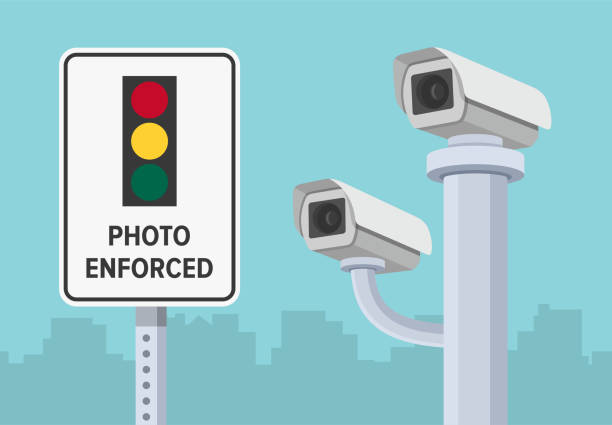
A traffic signal violation detection system is designed to automatically monitor intersections, capture violations, and record detailed evidence in the form of images and videos. These systems use high-resolution cameras, AI-driven analytics, and automated number plate recognition technologies to track vehicles crossing the stop line after the signal has turned red. The recorded footage is then analyzed to determine whether a violation has occurred and to generate a violation report.
What makes these systems particularly effective is their ability to function continuously across different weather conditions and lighting environments. They eliminate the need for manual observation and reduce the burden on traffic personnel. Modern solutions are also capable of integrating directly with city-wide traffic management centres, allowing real-time data flow for better decision-making.
Strengthening Road Safety with Automated Monitoring
Red-light violations are among the leading causes of collisions at intersections. They frequently result in high-impact accidents involving both vehicles and pedestrians. Traffic signal violation detection systems help minimize these incidents by ensuring strict compliance with traffic laws. When drivers are aware that intersections are under constant automated surveillance, they are more likely to abide by signal rules.
The automated nature of these systems brings an additional layer of transparency and fairness. Unlike manual enforcement, automated systems cannot be influenced by bias or human limitations. Each violation is captured using time-stamped footage and precise data points, ensuring that every case is handled impartially. This encourages better compliance and helps build trust between citizens and governing authorities.
Improving Traffic Management with Smart Enforcement Tools
Traffic congestion is one of the most common challenges faced by modern cities. A significant part of this congestion is caused by irresponsible driving behaviour such as ignoring traffic signals, blocking intersections, or taking abrupt turns. Improving traffic management becomes easier when cities deploy automated systems that monitor intersections continuously and enforce rules consistently.
Traffic signal violation detection plays an essential role in improving traffic management by ensuring a smooth and disciplined flow of vehicles. When violations decrease, intersection blockages reduce significantly, allowing traffic signals to operate efficiently according to programmed cycles. This improved discipline enhances the accuracy of automated signal timing systems, reduces travel delays, and supports better planning for future road network improvements.
Cities can also analyze long-term violation patterns to identify problematic intersections that require design changes or additional safety measures. AI-generated data insights help authorities understand peak violation times, accident-prone zones, and overall compliance levels. This data-driven approach supports smarter urban planning and improved traffic governance.
AI and Automation Driving Smarter Enforcement
The integration of artificial intelligence has made traffic enforcement more efficient and automated than ever before. AI enhances the accuracy of traffic signal violation detection by analyzing every frame captured by surveillance cameras. Machine learning models can differentiate between legal turns, emergency vehicle movements, and genuine violations. This reduces false alerts and ensures that only verified incidents are reported.
AI also enables predictive analysis, helping authorities foresee potential congestion and manage traffic more proactively. By understanding traffic behaviour patterns, cities can take pre-emptive measures, such as adjusting signal timings or deploying additional support during peak hours. Automated enforcement combined with AI-driven forecasting empowers cities to improve safety, reduce congestion, and create a more orderly urban mobility structure.
Boosting Efficiency Through Centralized Monitoring
One of the major advantages of traffic signal violation detection systems is their ability to integrate seamlessly with centralized command and control centers. In smart cities, these command centers serve as the backbone of digital governance by consolidating data from thousands of sensors, cameras, and automated systems.
Centralized monitoring ensures that violations are captured, verified, processed, and forwarded for penalty issuance without manual intervention. This end-to-end automation speeds up the enforcement process and reduces administrative delays. Authorities can monitor multiple intersections simultaneously, respond to emergencies faster, and maintain real-time situational awareness.
This integration supports smoother coordination between traffic police, municipal departments, and emergency response teams. The result is a highly efficient enforcement ecosystem that enhances public safety while minimizing operational overhead.
Promoting Responsible Driving Behaviour
Automated enforcement encourages drivers to adopt more responsible driving habits. When motorists know that intersections are monitored continuously, they are more likely to follow signal rules and exercise caution. This behavioral shift has a ripple effect on road discipline, contributing to reduced accidents, smoother traffic flow, and improved overall road culture.
Educational campaigns combined with automated enforcement further strengthen public awareness. Cities that publish violation statistics and issue warnings before implementing fines often see significant reductions in red-light violations even before full enforcement begins. Over time, automated monitoring becomes a natural part of daily driving patterns and contributes to creating a safer environment for all road users.
Top Companies Offering Traffic Signal Violation Detection Solutions
Multiple global and Indian technology providers are leading the innovation in traffic enforcement solutions through advanced AI and automation capabilities.
Honeywell offers smart traffic enforcement solutions using AI-driven analytics and high-resolution imaging.
Vehant Technologies is a leading Indian company providing automated traffic surveillance systems including traffic signal violation detection, ANPR solutions, and advanced traffic management tools.
Siemens Mobility delivers intelligent traffic enforcement systems integrated with urban mobility platforms.
Bosch Security Systems provides high-performance traffic enforcement cameras with AI-enabled analytics.
Hikvision develops automated violation detection cameras widely used in smart city projects and urban monitoring applications.
These companies are helping governments around the world build safer, more efficient transportation ecosystems using cutting-edge technologies.
The Future of Automated Traffic Enforcement
As cities continue to expand, automated traffic enforcement will play an increasingly important role in managing mobility challenges. The future will see deeper integration of AI, edge computing, and 5G connectivity, enabling faster data processing and improved accuracy. Systems will become more predictive, providing alerts before potential violations occur.
Smart intersections equipped with connected sensors will communicate directly with vehicles, improving coordination and reducing human error. Fully automated systems will help cities achieve Vision Zero goals aimed at eliminating road fatalities. With sustainable urban development becoming a global priority, automated enforcement will remain at the forefront of creating safer and more organized transportation networks.
Conclusion
Traffic signal violation detection has emerged as a transformative solution in the modern traffic enforcement landscape. By automating the detection of red-light violations, enhancing accuracy through AI, and supporting centralized monitoring, these systems significantly improve road safety and urban mobility. As part of broader smart city initiatives, automated enforcement empowers authorities to create better driving conditions, reduce accidents, and promote a culture of responsible road usage. With continued innovation and growing adoption, traffic signal violation detection is set to become a cornerstone of future-ready urban transportation systems.