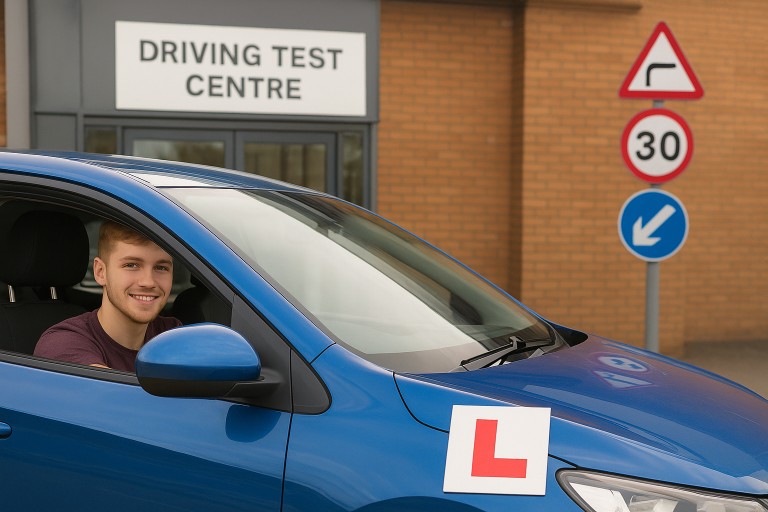
Feeling anxious before your driving test is completely normal. The thought of being evaluated behind the wheel can make your heart race, palms sweat, and mind feel scattered. Even seasoned drivers recall the nerves of their first test. Understanding that these feelings are common is the first step to managing them. This blog will guide you with practical tips to stay calm, focused, and confident from preparing the night before to navigating the moments during and after your test so you can approach the day with a clear mind and steady nerves.
Why Test Day Nerves Are Normal
Driving tests can trigger performance stress because there is pressure to do everything correctly in front of an examiner. Many learners experience a fear of being judged, making mistakes, or losing the test. Common signs include shaky hands on the wheel, overthinking basic manoeuvres, and a flood of racing thoughts. Knowing that most learners share these feelings is reassuring. Managing these nerves often comes down to good preparation, realistic expectations, and a calm mindset. Understanding your anxiety is the first step; once acknowledged, you can implement strategies to prevent it from affecting your driving.
The Night Before Your Test – What to Do
A well-rested mind handles pressure far better than a tired one. The evening before your test, aim for a relaxed routine:
Checklist:
| Task | Reason |
| Check the provisional licence and documents | Ensures all essentials are ready |
| Plan a route to the test centre | Avoid last-minute stress |
| Comfortable clothes and shoes | Allows smooth driving |
| Light exercise | Reduces tension and stress |
| Review notes briefly | Reinforces memory without overloading |
| Prepare snack & water | Maintains energy the next day |
Relaxation Technique
Spend 5-10 minutes practising deep breathing or listening to a calming playlist. Box-breathing, for example, can help balance your heart rate and reduce tension. Avoid late-night screen time, as it can disrupt sleep and heighten anxiety. A good night’s sleep improves memory and concentration, which are crucial for performing well on your driving test.
On the Morning of Your Test
A calm and organised morning sets the tone for the day.
Morning Routine
- Consume a healthy breakfast to give you focus and energy.
- Give yourself plenty of time to reduce rushing and stress.
- Arrive early at the test centre to allow for settling in.
- Check your car’s condition and fuel to ensure readiness.
Visualisation and Mindset
Imagine a smooth drive, responding confidently to instructions. Treat the test as “just another drive” rather than a high-stakes exam. Go over your manoeuvres mentally and picture yourself performing them with ease. This mental rehearsal can lower stress levels and boost confidence.
Handling Nerves
If anxiety spikes, take two slow, deep breaths. Remind yourself of the practice you’ve done. Focus on the next step rather than dwelling on what could go wrong. Listening to calming music or a motivational message while waiting can also help, but avoid anything that might raise your anxiety further.
Handling Test Centre Anxiety
Feeling nervous at the test centre is normal, but managing this anxiety is key to performing well. Arriving early helps you settle in and familiarise yourself with the surroundings. Take deep breaths, focus on each task, and remind yourself of your preparation to boost confidence. Avoid last-minute cramming, and stay calm to drive confidently and follow the examiner’s instructions effectively.
Practical Tips to Use During the Test
The way you start can influence the rest of your test.
Key Points:
- The first 12 seconds after moving off are crucial: check mirrors, signal, and set a smooth pace.
- Concentrate on the examiner’s instructions: don’t hesitate to ask for clarification.
- Remember: examiners assess safe driving, not perfection.
- Minor mistakes happen. Breathe, reset, and continue. One slip does not automatically mean failure.
- Maintain a steady pace. An app for driving tests plays a role here, keeping calm allows you to execute manoeuvres safely and confidently.
- Use your mirrors regularly, consistent checks demonstrate awareness.
- Keep your hands relaxed on the wheel and avoid tense gripping.
Following these strategies ensures that your performance remains steady even under pressure. Focusing on each manoeuvre individually rather than thinking ahead excessively can also reduce anxiety and enhance your driving flow.
Managing Unexpected Situations
During your driving test, you may encounter unexpected events such as sudden stops, pedestrians, or roadworks. Stay alert, keep a safe distance, and adjust your speed or position as needed. Use your mirrors, signal clearly, and make confident decisions. Remaining composed in surprises shows the examiner you are a capable driver.
Quick Tools to Calm Your Mind
Keeping anxiety in check often comes down to small, effective habits.
Simple Strategies:
| Technique | How It Helps |
| Box-breathing (4-4-4-4) | Balances heart rate and reduces tension |
| Limit caffeine, choose water/herbal tea | Prevents jitteriness |
| Positive affirmations | Boosts confidence |
| Minimal digital distraction | Keeps focus on driving |
| Short 10-min walk | Resets mindset and reduces tension |
| Visualisation of smooth drive | Reduces anticipatory stress |
| Focus on the task at hand | Avoids overthinking |
These techniques reinforce the app for driving test by keeping your attention on driving rather than anxiety. Even a few minutes of these practices can create a noticeable difference in your confidence and ability to stay composed under scrutiny.
After the Test – Wherever You Go From Here
Test results are only one part of your journey.
Passing:
Celebrate your success and consider your next steps, such as car insurance, planning your first solo drive, and maintaining good driving habits. Reflect on what went well, which will help reinforce positive behaviours for future driving.
If You Don’t Pass:
Treat it as a learning experience. Review feedback carefully. Many students pass on their second try with greater confidence and less anxiety. Using supportive tools such as apps, lessons, and mock tests can significantly improve preparedness for your next test. Understanding where you need improvement, and then practising specifically in those areas, is often more effective than repeating general lessons. Remember, persistence pays off—those who learn from each attempt significantly increase their chances of success.
Long-Term Confidence Building
- Regular driving practice, even after the test, reinforces skills and builds self-assurance.
- Reflecting on each driving session helps identify strengths and areas for improvement.
- With time, the driving test app gets more natural, which lessens anxiety in real-world scenarios.
Conclusion
Nerves on test day are normal, but preparation, mindset, and calm focus make a real difference. Practising the techniques outlined here ensures you approach your driving test with confidence. Remember, you’ve done the work, you know your skills, and the test is just another drive with more attention. Stay calm, trust your abilities, and let your driving shine. With the right mindset and support tools from the App for Driving Test, both success and improvement are well within reach.