Finger foods are widely popular in restaurants across the United States and in many other countries nowadays. Fans love to eat chicken wings, fries, sliders, and other foods they can eat with their hand, no utensils necessary. Yet cleanliness of finger food is a serious issue and restaurants need to take care of that every day. Subpar sanitation can cause bacteria to multiply and lead to customers getting sick from the food they eat. Restaurateurs with the right attitude understand that cleanliness and proper serving practices are a restaurant’s best protection.
Why is proper hand washing so important for finger food hygiene?
Washing hands is the first line of defense in any restaurant regarding the prevention of germ spread. The workers are required to wash their hands with soap for a minimum of 20 seconds prior to handling food. Customers, meanwhile, should be able to clean their hands or use hand sanitizer before digging into any finger foods. Hand washing stations are a common sight in restaurants now, with many located close to dining areas for patrons to use. The reminders to wash hands create an easier place to eat for all. When hands are dirty, they can pass bacteria to food and make people ill in as little as a few hours after eating that food.
What role does food handling training play in keeping finger foods safe?
Proper training of kitchen employees makes a world of difference in the safety of your finger foods. Workers must be taught the proper way to handle and serve the foods people eat every day. They need to know about the risks of cross contamination and how to avoid it even during busy lunch shifts. Frequent training sessions help reinforce hygiene regulations for chefs and waiters. Educated staff on any restaurant go on to receive less total customer complaints associated with food safety. Proper training instills habits which protect not only the customers, but also the establishment, from health code violations.
How can restaurants choose the right serving materials for finger foods?
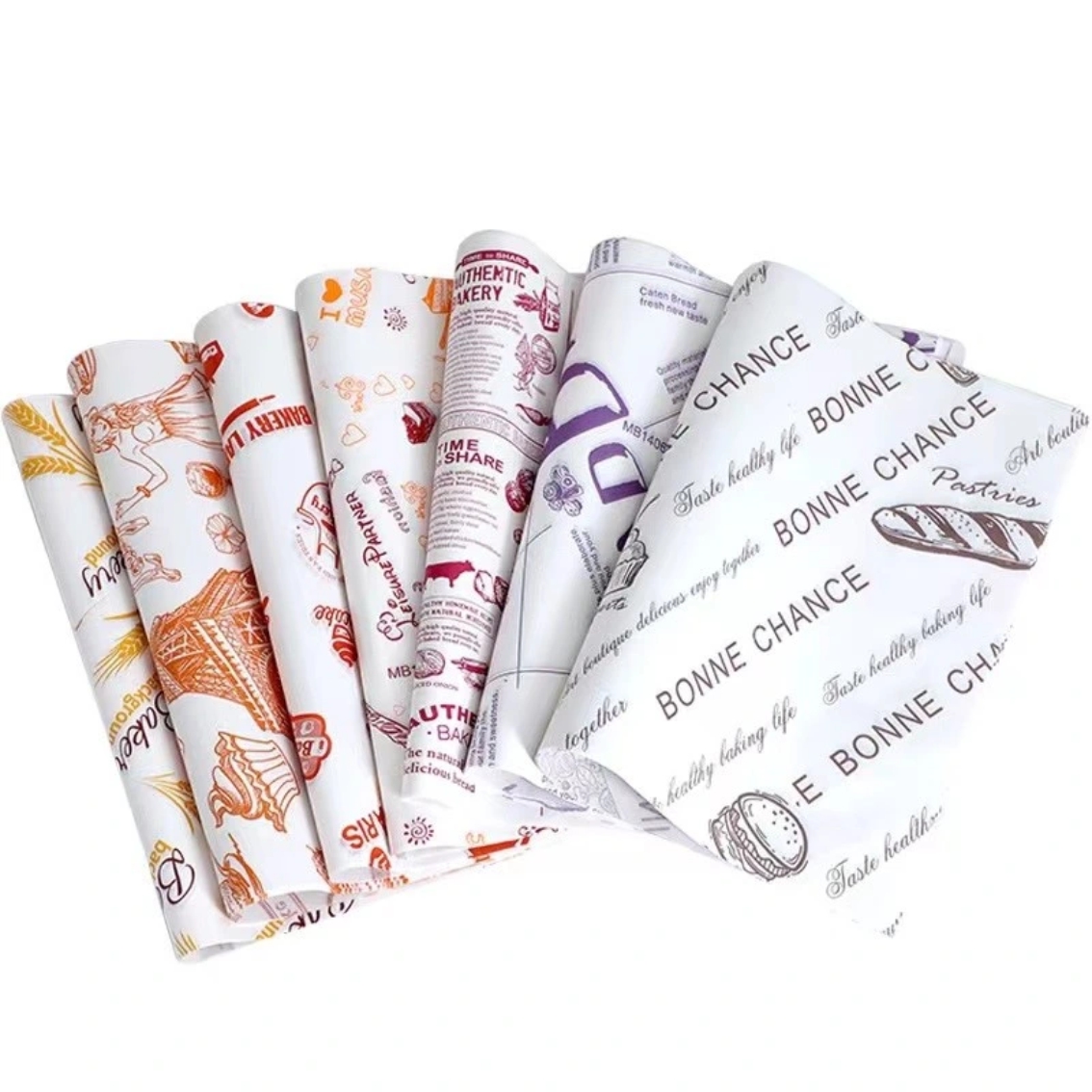
The materials you use to serve finger foods directly affect cleanliness and customer happiness today. Paper liners and wraps create a barrier between hands and food during the eating process. Custom printed wax paper is the best hygienic product to serve finger foods to customers properly. Plates and baskets should be cleaned and sanitized after every single use without any exception. Some restaurants use disposable serving options to reduce the risk of contamination between different customer groups. Always select materials that meet health department standards for your local area and state rules.
What cleaning procedures should restaurants follow between customers?
Tables and surfaces need thorough cleaning after every customer finishes eating their finger foods there. Use approved sanitizing solutions that kill bacteria and viruses on contact with the table surface. High touch areas like door handles and condiment bottles require frequent cleaning during lunch and dinner. Cleaning schedules should be posted where staff can see them and follow them each shift. Many health departments require restaurants to keep cleaning logs as proof of their work done. A clean restaurant shows customers you care about keeping them healthy while they eat there.
How does proper food storage prevent contamination of finger foods?
Storing finger foods at the correct temperature stops bacteria from growing before they reach customer plates. Raw ingredients must stay separate from cooked foods to prevent cross contamination in walk in coolers. Refrigerators should maintain temperatures below 40 degrees Fahrenheit for cold foods at all times daily. Hot foods need to stay above 140 degrees until they are served to hungry customers. Label all containers with dates so staff know when to throw out old chicken or fries. Good storage practices protect the quality and safety of every finger food you make and serve.
What wrapping options help maintain finger food hygiene during service?
Smart wrapping keeps finger foods clean from the kitchen to the customer’s table or takeout bag. Individual wrapping prevents multiple people from touching the same food items during busy dinner rushes. WaxPapersHub supplies restaurants with quality wrapping that maintains hygiene standards throughout the entire dining time. Baskets lined with paper absorb grease while keeping hands cleaner during the eating of wings. wrapping should be easy for staff to use quickly without slowing down how fast orders go. The right wrapping shows customers you take their health seriously and want them to feel good.
How can restaurants design their spaces to support better finger food hygiene?
The layout of your restaurant affects how easily staff can maintain clean practices each day. Place hand washing stations where workers can reach them without walking through the dining room areas. Keep trash cans accessible so customers can dispose of wrappers and napkins without making big messes. Design your kitchen with separate areas for raw and cooked foods to prevent any mixing. Good ventilation systems remove smoke and odors while keeping the air fresh for people eating. A well designed space makes it easier for workers to follow hygiene rules without extra thinking.
What should restaurants do about condiments and shared items?
Shared condiment bottles and containers can spread germs between customers if not handled the right way. Single serve condiment wrappers reduce the risk of contamination from multiple people touching the same bottles. Clean and sanitize reusable condiment containers at least once per shift during busy service times. Consider offering disposable utensils for condiments so customers avoid touching communal serving spoons and ladles. Food paper under condiment stations catches spills and makes cleanup faster between different customer table turns. Replace any condiment that looks dirty or has been sitting out for too many hours.
How often should restaurants replace serving papers and liners?
Fresh papers and liners should be used for every new customer without any shortcuts or exceptions. Never reuse papers even if they look clean because invisible germs can still be hiding there. Change basket liners right away if they become wet or soiled during the eating of food. Stock enough supplies so staff never feel tempted to reuse papers during weekend rushes or shortages. Regular inventory checks make sure you always have clean materials ready for lunch and dinner times. Clean serving materials show attention to small details that customers notice and remember about your place.
Conclusion
Improving finger food hygiene requires commitment from restaurant owners and their staff members each working day. Proper hand washing, smart training, and clean serving materials protect customers from getting sick after eating. Good storage practices and thoughtful restaurant design support hygiene goals throughout the business every single shift. Regular cleaning and smart wrapping choices show customers you care about their health while dining there. Restaurants that focus on cleanliness build trust and earn repeat business from happy customers over time.