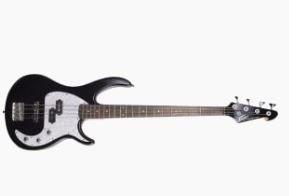
Playing live adds a new layer to your tone, your comfort, and how your instrument responds. What works during practice might not translate well on a noisy stage, especially when lights, heat, and sound pressure start to affect your setup. You need a bass that stays stable, cuts through the mix, and feels easy to control during long sets.
This guide walks through the features that help you pick a dependable live instrument, and it covers the details that make live playing smoother and more enjoyable for you.
Understanding What Live Performers Need
Before comparing models, it helps to understand what most players expect from electric bass guitars built for performance. You need reliable tone, solid tuning, and a design that stays comfortable during an entire set. With those needs in mind, the rest of the features start to make more sense, and you can look at each part of the instrument with more confidence.
The sections below break down the features that support a steady tone, comfortable playability, and long-term reliability.
Tonewoods and Build Quality
Tonewood shapes the character of your sound, and it matters more on stage, where the mix can easily hide or blur bass lines. Woods like alder and ash tend to offer a balanced response, giving you clean mids and a steady low end. Mahogany leans warmer and works well if you prefer round, smooth tones.
A strong body paired with a well-built neck helps your bass stay steady under lights and temperature shifts. Good construction also reduces rattles and small vibrations that can show up in louder rooms.
A solid neck joint and clean fretwork also help you play confidently. When the neck stays straight and the frets feel smooth, you won’t fight the instrument during fast lines or intricate parts. Builders design modern instruments with reinforcement rods to keep the neck stable, and this makes a real difference when you move between warm stages and cooler backstage areas.
Comfortable Neck Profiles for Long Sets
A neck that feels natural in your hands can reduce fatigue during a show. Some players like a thin profile for quick movement, while others prefer a slightly thicker grip for better control. The fretboard radius also matters, as flatter boards help with faster playing, while more curved boards offer a familiar, traditional feel.
The finish on the back of the neck affects comfort more than most players expect. Glossy finishes can feel sticky under warm lights, while satin finishes usually stay smoother during long sets. When your hand glides easily, you stay relaxed and spend more energy on your performance rather than your grip.
Pickup Types and Their Live Performance Benefits
Pickups decide how your bass responds to your playing and how well it cuts through a mix. Passive pickups offer natural warmth and dynamic response, making them great for players who want a more organic tone. Active pickups deliver stronger output and more clarity, which helps your sound stay present even in louder bands.
Placement also shapes your tone. Bridge pickups add bite and definition, supporting styles that need clarity and punch. Neck pickups give more low-end depth, perfect for rounder lines. Some instruments include blended systems that let you find a middle ground that fits your style. A bass with clean wiring and well-shielded electronics also reduces hum on noisy stages.
Electronics and Controls
Quick tone changes can save you from losing presence during a song. A simple layout with volume, tone, and blend controls lets you react fast. If your band jumps between different styles or dynamics, an onboard preamp helps you adjust lows, mids, and highs without walking back to your amp.
Some players rely heavily on mid controls during live sets because even slight changes can shift their tone into a better position in the mix. A flexible control section helps you fine-tune your sound without breaking your focus on the performance.
Weight, Balance, and Playing Comfort
A bass that feels heavy at first can weigh you down by the end of the night. Lighter bodies reduce strain on your shoulders, but balance matters just as much. If the headstock dips forward, you’ll constantly correct your posture. A well-balanced instrument hangs naturally and keeps your hands free to move.
Body shape also plays a part. Rounded edges feel softer against your body, and contoured backs help the bass sit comfortably whether you stand or sit. Good strap button placement helps the bass stay steady during active parts of your set.
Hardware That Holds Up Under Pressure
Live playing puts constant strain on tuners, bridges, and jacks. Strong tuners help your bass stay in tune when you dig in or change tunings often. A solid bridge gives consistent sustain and clean note decay, which helps you play with more control. High-quality knobs and input jacks reduce the chance of sudden signal drops, especially when you move around on stage.
Many modern basses include reinforced hardware designed to take more wear. You’ll feel the difference during long practice days and frequent shows.
Conclusion
Live performance demands an instrument that can stay steady through shifting room acoustics, active crowds, and long nights. Modern designs offer stronger builds, better hardware, and more flexible controls, giving you plenty of solid options.
As the years go on, you’ll see even more thoughtful updates that make stage work smoother and more expressive. Choosing the right electric bass guitars today sets you up for dependable shows, a tone you enjoy, and a setup that supports your growth as a player.