Dry burgers disappoint customers and hurt restaurant reputations over time quickly. Juicy burgers keep people coming back and ordering more food there. Many factors affect how much moisture stays in the burger patty. Wrong cooking methods, poor quality meat, and bad timing cause dryness. Restaurants that master juicy burger techniques stand out from their competition. Customers notice the difference between dry and juicy burgers right away. Learning these techniques improves customer satisfaction and increases repeat business consistently.
Why Does Meat Fat Content Matter for Juiciness?
Fat content directly affects how juicy a burger tastes after cooking. Lean meat like 90/10 ground beef dries out faster on grills. The ideal fat ratio is 80/20 for maximum flavor and moisture. Fat melts during cooking and keeps the meat moist from inside. Ground chuck works better than ground sirloin for burger patties generally. Too much fat makes burgers greasy but too little makes them dry. Many restaurants in the USA use 80/20 beef for their burgers. Check meat labels carefully when ordering from your supplier for quality. Higher fat content costs less and produces better tasting burgers overall.
How Does Proper Handling Prevent Moisture Loss?
Overworking ground meat makes burgers tough and dry after cooking them. Mix seasonings gently into meat without kneading it like bread dough. Form patties quickly and handle them as little as possible there. Make a small dimple in the center to prevent bulging up. Cold meat holds together better than meat at room temperature does. Never press down on burgers while cooking as this squeezes juices. Flipping burgers too often causes them to lose moisture and flavor. Let patties rest briefly after forming before placing them on the grill. Gentle handling keeps the meat tender and helps keep burgers juicy.
What Cooking Temperature Works Best for Juicy Burgers?
The rate of moisture evaporation from burger patties is influenced by cooking temperature. Medium-high heat (about 375-400 degrees) is usually just right. High heat burns the outside before the inside is cooked. Too low heat makes the burgers dry out, because they are cooking too fast. Always check the internal temperature with a meat thermometer to be sure. According to the guidelines cook burgers to 160 degrees Fahrenheit to be safe. Remove hamburgers from heat just before they reach the desired end temperature. After you take it from the grill, carryover cooking will persist for about 2 to 3 minutes. “Temperature control is just as important for keeping burgers moist as it is for food safety,” and again, time and temperatures should be closely monitored.
How Does Resting Time Affect Burger Moisture?
Resting burgers after cooking allows juices to redistribute throughout the patty. Cut into burgers immediately and juices run out onto the plate. Let burgers rest for three to five minutes after taking off. Cover burgers loosely with foil during resting to retain some heat. Resting makes the difference between dry and juicy burgers for customers. This step takes patience but improves the final product you serve. Hamburger wrappers trap steam and help maintain moisture during resting periods. Train kitchen staff to follow resting procedures for every burger made. Skipping this step wastes all the effort put into cooking properly.
What Role Does Basting Play in Keeping Moisture?
Basting adds extra moisture and flavor to burgers during cooking time. Brush melted butter on burgers while they cook on the grill. Beer or broth also work well for basting burger patties regularly. Baste every few minutes to build up layers of flavor there. The liquid creates steam that keeps the surface from drying out. Some chefs use bacon fat for basting to add smoky flavor. WaxPapersHub provides materials that help retain moisture after cooking burgers properly. Basting takes extra time but customers notice the improved taste and texture. This technique works especially well for leaner meat burger patties used.
How Can Toppings Help Retain Burger Juiciness?
The toppings provide some moisture to complement the well-cooked burger patty. Sauces such as mayo, ketchup and mustard add some extra moisture for the consuming. Tomato slices exude juice which gets absorbed into the bun and meat. Moisture and a tangy complimentary flavor: pickles moisturize burgers and punch them up with a bit of tang. Sweet onions sautéed in their own juices are sweet and moist. It is crisp textured but it does not bring much moisture to the plate. Melting cheese on top of your burgers will trap a little juice before you serve them. Spread the toppings out in layers, so moisture is evenly distributed throughout the entire burger stack. A delicious topping can help redeem an overcooked burger patty or one that’s a bit past its prime.
Why Does Proper Wrapping Matter After Cooking?
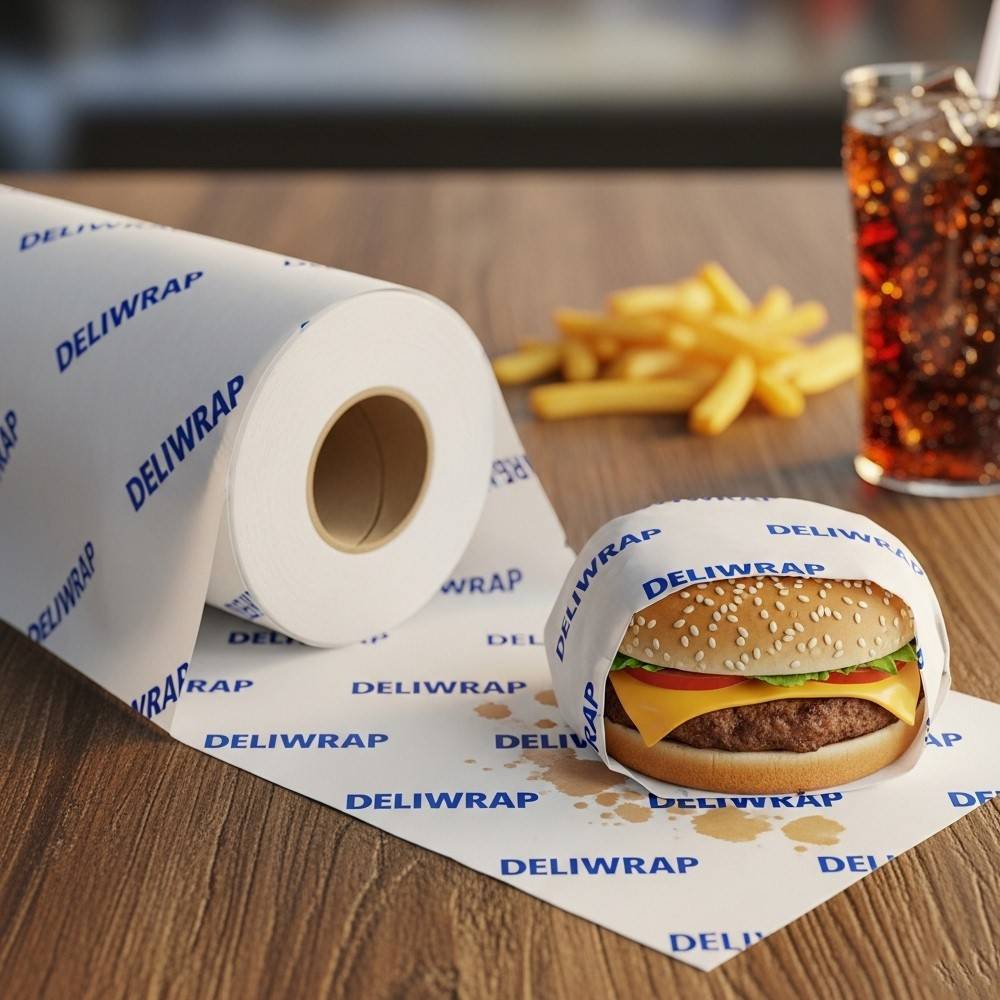
wrapping affects how long burgers stay juicy after leaving the kitchen. Wrap burgers immediately to trap steam and prevent drying out quickly. Paper that absorbs some grease but retains moisture works best always. Foil wrapped burgers stay hot longer but can make buns soggy. Quality food paper balances moisture retention without making everything too wet there. Vented papers allow some steam to escape and prevent sogginess issues. Never stack hot burgers directly on top of each other tightly. Proper wrapping keeps takeout burgers almost as good as dining in. Customers appreciate when their burgers arrive still juicy and hot.
What Common Mistakes Dry Out Burgers?
Squashing burgers with a spatula press out the precious juice and fat. Overturning burgers more than once results in unnecessary loss of moisture while they cook. Cooking frozen patties without thawing properly can result in inconsistent cooking. Burgers should not be cooked straight from the fridge, or the outside will be overcooked before the inside is. Salting too far in advance pulls moisture from the meat for no reason. Burgers that are left too long on the grill after the temperature is reached will dry out. Foregoing rest time before serving before serving results in spillage of juice on plates. Being aware of these pitfalls allows restaurants to nail the juicy burger for customers time and time again. Please make sure your entire kitchen team know & avoid these common mistakes every shift!
Conclusion
Keeping burgers juicy requires attention to multiple factors throughout the process entirely. Start with the right meat fat ratio for best results. Handle patties gently and cook at proper temperatures for moisture retention. Let burgers rest after cooking and use basting for extra flavor. Smart topping choices and proper wrapping preserve juiciness until customers eat. Avoid common mistakes that squeeze out moisture during preparation and cooking. Customers return to restaurants that serve consistently juicy flavorful burgers. These techniques separate good burger restaurants from great burger restaurants today.