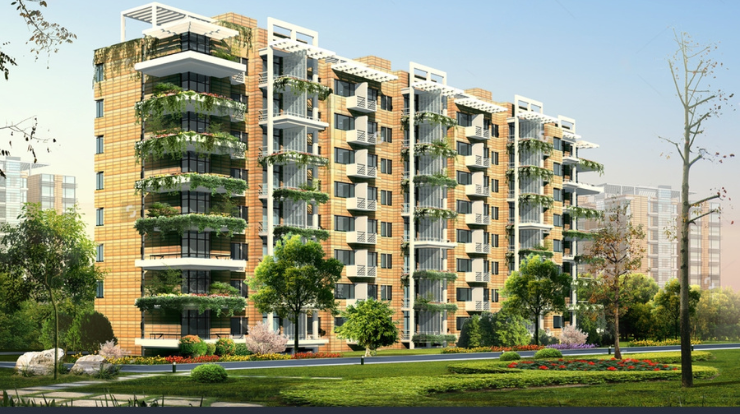
Tiered oasis terrace layouts are becoming a popular feature in many Dubai landscape and mixed-use developments. These stacked green layers create a cooling effect, support water-efficient planting zones, and enhance visual depth. When designers need to communicate these complex terrace relationships to clients, city authorities, and investors, models become a key tool.
The use of architectural scale models helps teams understand how each terrace connects, how shadows move, and how water systems interact with the stepped landscape. In Dubai, where terrain is flat and climate conditions are challenging, accurately presenting terrace layering is essential for planning. The model acts as a clear language that brings these multi-level design ideas to life.
Representing Tier Structure with Clear Level Separation
Models show tiered oasis terrace layouts by dividing the structure into clear horizontal layers. Each layer is shaped accurately to reflect proposed contours, retaining walls, access ramps, and green pockets. By using different materials and finishes, the model distinguishes between soft landscaping, hard surfaces, and water channels.
This separation helps viewers understand how each level rises from the previous one and how people can move through the terraces. In large Dubai developments, levels may include seating decks, shaded walkways, small plazas, and viewing platforms. Showing this vertical rhythm is important because it helps clients visualize the spatial hierarchy. The use of architectural scale models Dubai at this stage guides discussions about slope adjustments, step locations, and terrace usability.
Highlighting Water Distribution and Oasis Cooling Patterns
Tiered oasis terraces rely on smart water routing to stay cool and maintain greenery. Models highlight this by using miniature channels, reflective surfaces, and clear resin to represent flowing water. Designers sometimes include a subtle gradient to show how water moves from upper terraces to lower basins.
In Dubai’s desert climate, water efficiency is critical, so models help evaluate whether each terrace receives the right amount of moisture. They also show how water features like pools, cascades, and rills support microclimates. These features help clients imagine how the terraces will feel when completed. The model becomes a testing ground to see how water influences the overall cooling performance of the landscape.
Using Plant Density to Show the Oasis Effect
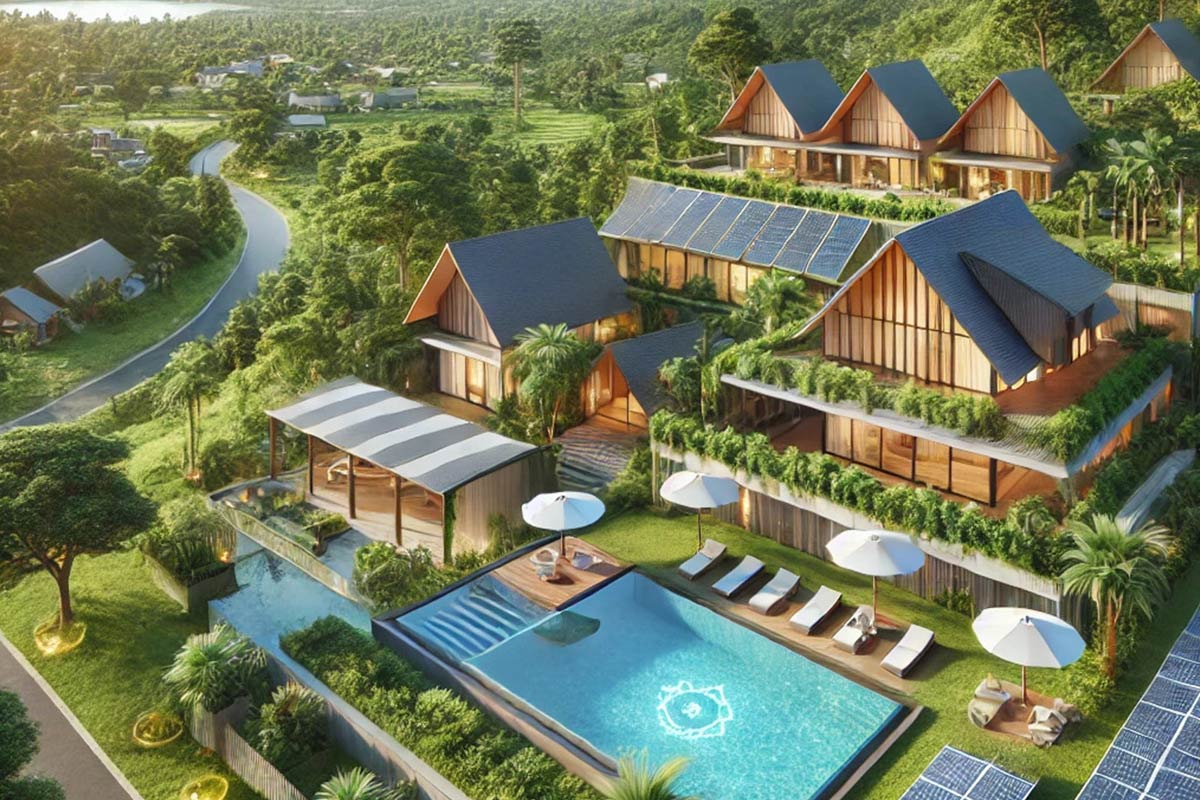
Vegetation density is an important part of terrace design. Models use scale trees, shrubs, and ground cover to show how plant types vary across levels. Upper terraces may have drought-tolerant plants, while lower terraces may feature denser greenery. This difference helps create an oasis effect that feels lush as visitors descend or ascend through the terraces.
In Dubai, developers often want these spaces to act as signature features for luxury residential and resort projects, so it is important to show the right balance between greenery and built elements. The third use of architectural scale models appears here, as they allow decision-makers to study plant shading, root spacing, and the spread of green zones without relying only on drawings.
Visualizing Shade, Light, and Sun Path Movement
Shade patterns are essential in Dubai’s climate. Models help illustrate how terrace structures, pergolas, and planting cast shadows at different times of the day. Designers often use removable light sources to move across the model and show sun path behavior. This helps evaluate which terraces will remain cool during peak hours and which may need extra shading devices.
Tiered layouts often rely on upper terraces to shade those below, so showing this effect clearly supports design accuracy. It also helps evaluate visitor comfort, an important factor in public and hospitality landscapes. When models display shade layering successfully, clients can imagine a walk through the terraces and understand how the environment will feel.
Showing circulation paths and user movement
Tiered terraces require clear pedestrian routes to maintain safety and flow. Models show this by highlighting ramps, steps, landings, and accessible paths. These circulation elements are carefully positioned to match actual site conditions. In Dubai projects, circulation must handle a high number of visitors, especially in mixed-use developments near waterfronts or resorts.
The model makes it possible to study how people move through the terraces, how crowds spread across levels, and how each terrace connects to main entrances or adjacent buildings. The use of architectural scale models in this stage allows designers to refine transitions and avoid congested areas.
Demonstrating Material Choices and Textural Contrast
Material selection plays a large role in defining the look of terrace layers. Models include miniature stone textures, sand coverings, wooden decks, and shaded pavilions that help convey the final finish.
Different colors and textures show where walking surfaces will be, where greenery will dominate, and where water will play a central role. Dubai developers often prefer distinctive finishes, so models serve as a preview of the project identity. By showing textural contrast, models help stakeholders understand the desired atmosphere, from calm retreat areas to active communal terraces.
Communicating Integration with Surrounding Features
Tiered oasis terrace layouts must blend well with surrounding elements such as plazas, promenades, building podiums, and waterfront edges. Models show how terraces anchor into these environments.
They highlight transitions between built and natural areas, ensuring the terraces feel integrated rather than disconnected. This integration is important in Dubai, where large developments combine residential, hospitality, retail, and landscape zones into one unified plan. The fourth and final use of architectural scale models supports this by giving a complete visual of how the terraces sit within the broader masterplan.
Conclusion
Models play a vital role in presenting tiered oasis terrace layouts for Dubai projects. They show structure, water flow, shade behavior, planting density, circulation paths, and overall integration with surrounding spaces. Through visual clarity and tactile representation, designers can refine the terrace design and create comfortable outdoor environments suited to Dubai’s climate.