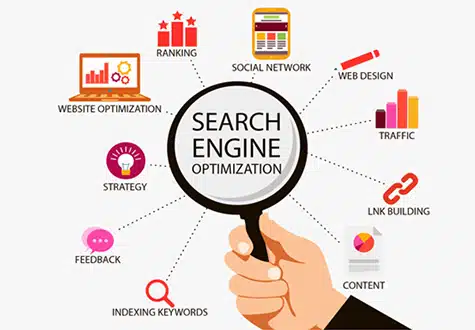
In today’s fast-paced digital environment, users prefer content that is quick to consume, visually engaging, and easy to understand. This shift in user behavior has transformed how businesses approach content marketing and search engine optimization (SEO). Visual elements such as images, infographics, illustrations, screenshots, and videos have become essential tools that enhance both user experience and search performance.
While text remains a critical part of SEO, the real competitive edge often lies in The Potent Role of Visual Content in an SEO Strategy. Visual content not only supports your written message but also improves engagement, reduces bounce rates, and helps your website rank higher on search engines. In this article, we explore how different types of visuals—especially images and infographics—play a powerful role in shaping a successful SEO strategy.

Why Visual Content Matters More Than Ever
The rise of social media platforms like Instagram, YouTube, and Pinterest proves that visuals grab attention faster than text. Studies show that the human brain processes images 60,000 times faster than written content. For businesses, this means that adding visuals increases the chances of keeping visitors engaged longer.
Search engines like Google also pay attention. When visual content improves user behavior—such as time spent on page or lower bounce rates—Google interprets this as a positive signal, helping your pages rank higher. This alone highlights The Potent Role of Visual Content in an SEO Strategy, especially for brands aiming to increase visibility organically.
1. Images Boost Engagement and Improve Ranking Signals
High-quality images offer an immediate boost to user experience. When visitors see relevant visuals paired with clear messaging, they stay longer, scroll more, and interact more frequently—all of which signal to Google that your page is helpful.
How images help your SEO:
- They break up long text, making content easier to read.
- They increase page session time.
- They reduce bounce rates.
- They make your content more shareable across platforms.
But simply adding images isn’t enough—you must optimize them.
Key image optimization tips:
- Use descriptive filenames (e.g., “digital-marketing-strategy.png”)
- Add keyword-rich alt text
- Compress images to improve loading speed
- Use responsive images for mobile-friendliness
- Add captions when helpful
Image optimization strengthens your SEO while improving accessibility, making your site more inclusive and search-friendly.
2. Infographics Increase Shareability and Backlinks
If there’s one visual element that consistently earns backlinks, it’s infographics. They combine data, design, and storytelling in a way that makes complex information easy to digest.
Why infographics support SEO success:
- They receive 3x more shares than other content types.
- They attract backlinks from journalists, bloggers, and researchers.
- They position your brand as a helpful authority.
- They enhance user understanding and retention.
Backlinks are one of Google’s top ranking factors. The more high-authority sites that link to your infographic, the stronger your domain authority becomes.
Infographics also help repurpose content. A long blog post can turn into a visually appealing infographic and be shared across social platforms, newsletters, and presentations—amplifying your reach.
3. Visual Content Improves User Experience (UX), a Core SEO Component
SEO and user experience are no longer separate fields. Google has made it clear that a better user experience leads to better rankings.
Visuals enhance UX by:
- Making content less overwhelming
- Guiding users through steps or processes
- Highlighting key information
- Supporting storytelling
- Improving page aesthetics
Whether you’re demonstrating a tutorial, showing a product in action, or guiding users through a step-by-step process, visuals make your content more intuitive and enjoyable. This contributes directly to better engagement metrics—one of the ways Google evaluates your website’s quality.
4. Videos: The Most Powerful Visual of All
Although the title focuses on images and infographics, no discussion on visual SEO is complete without mentioning videos. Videos are one of the best-performing types of content online.
Why videos boost SEO:
- Websites with videos are 53x more likely to rank on the first page of Google.
- Videos increase dwell time significantly.
- They improve conversion rates for product pages.
- They are highly shareable on both social media and websites.
Google often prioritizes pages with embedded videos because they provide richer content and better value.
Uploading videos to YouTube—Google’s own platform—can also drive search visibility through two channels: Google SERPs and YouTube search results.
5. Visual Search Is Growing, Making Image Optimization Essential
Visual search technology continues to expand rapidly. Tools like Google Lens, Pinterest Lens, and image-based product searches are changing how people explore information.
Visual search benefits for businesses:
- Boosts eCommerce product discoverability
- Improves brand visibility through optimized images
- Helps users find visually similar products
- Strengthens local SEO when connected with Google My Business
Optimized visuals make your website ready for the future of search.
Best Practices to Strengthen Your Visual SEO Strategy
If you want to maximize The Potent Role of Visual Content in an SEO Strategy, follow these best practices:
✔ Optimize image alt text with keywords
Helps Google understand your visuals.
✔ Use lightweight, high-quality visuals
Compress files using tools like TinyPNG or Squoosh.
✔ Maintain brand consistency
Use similar colors, fonts, and styles for all visuals.
✔ Add schema markup for images and videos
Enhances rich search results.
✔ Create original visual content
Avoid overused stock photos—custom visuals perform better.
✔ Ensure fast loading speed
Slow pages reduce rankings immediately.
Final Thoughts
From simple images to detailed infographics, visual content plays a crucial role in modern SEO success. It enhances user experience, improves engagement, attracts quality backlinks, and supports your content strategy from all angles. These benefits clearly demonstrate The Potent Role of Visual Content in an SEO Strategy, proving that visuals are not an optional extra—they are a core component of your digital marketing foundation.
By investing in high-quality visuals and optimizing them effectively, you can significantly increase your chances of ranking higher, attracting more organic traffic, and keeping users engaged.